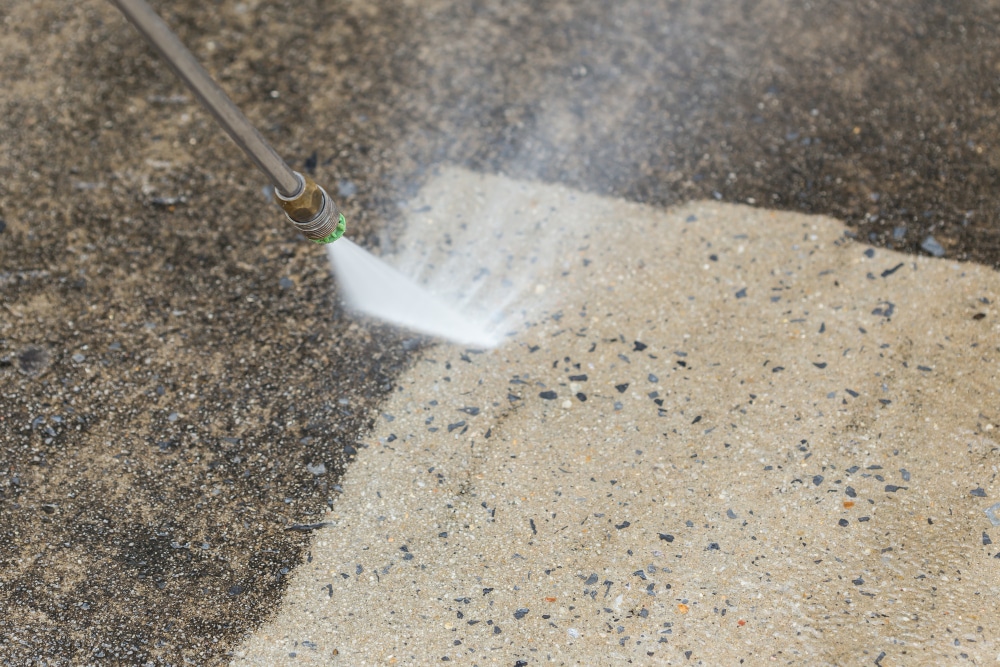
How To Pressure Wash Asphalt Effectively
Keeping asphalt surfaces clean is essential for safety, appearance, and longevity. Over time, driveways, parking lots, and walkways accumulate dirt, oil stains, grime, and algae. Many property owners ask, can you pressure wash asphalt? The answer is yes, but it requires proper techniques, the right equipment, and careful attention to avoid damage.
Improper use of a high-pressure washer can wear down asphalt, remove protective layers, or leave visible streaks. This guide explains how to clean asphalt the right way, whether for residential driveways or commercial parking areas, while preserving the condition of the surface.
Assessing the Asphalt Surface
Start with a thorough inspection before cleaning. Look for cracks, potholes, or weakened sections. Damaged asphalt can worsen when exposed to strong water pressure. Minor cracks can usually be cleaned safely, but larger problem areas may need repair first.
Identify oil stains, gum, moss, or algae buildup to determine if pre-treatment with a degreaser or eco-friendly cleaning solution is necessary. We make businesses shine with expert commercial window cleaning in Texas and Oklahoma.
Choosing the Right Equipment
Selecting the proper pressure washer is crucial for asphalt cleaning. Gas-powered washers are ideal for larger areas, delivering higher pressure and water flow for stubborn stains. Electric washers work for smaller surfaces but may lack the power needed for extensive oil or dirt buildup.
Choose a wide-angle nozzle to distribute pressure evenly and prevent damage to the asphalt surface. Surface cleaner attachments can increase efficiency, providing uniform results without creating streaks.
Preparing and Pre-Treating the Area
Before pressure washing, remove vehicles, debris, and loose dirt. Sweep or blow leaves, gravel, and trash to prevent clogging or damage to equipment. For heavy stains, apply a degreaser or eco-friendly solution and allow it to penetrate the surface for a few minutes.
Protect surrounding landscaping, drains, or structures from overspray using tarps or barriers.
Effective Pressure Washing Techniques
Begin at the farthest corner and work toward the exit to avoid stepping on cleaned sections. Use steady, overlapping motions to achieve full coverage without focusing pressure on one spot for too long.
Keep a consistent distance between the nozzle and the surface, usually around 12 to 18 inches, depending on the machine. Rinse thoroughly to remove cleaning solutions and loosened debris. For stubborn stains, repeat the process with targeted treatment and controlled pressure. These steps help answer the question, can you pressure wash asphalt, with results that are both effective and safe.
Safety and Post-Cleaning Tips
Pressure washing asphalt comes with certain risks. Protective eyewear, gloves, and sturdy footwear help reduce the chance of injury. Keep pedestrians and vehicles clear of the area during cleaning. Avoid excessive pressure, as it can wear down the surface or create uneven spots.
After washing, inspect the surface for any damage and allow it to dry completely before reopening to traffic. Regular cleaning and maintenance help prevent long-term buildup and extend the life of the asphalt, maintaining both safety and appearance.
Proper pressure washing preserves the look and durability of asphalt surfaces while removing stains, dirt, and debris effectively. For commercial and residential properties in Texas and Oklahoma, Fort Worth Window Cleaning offers expert asphalt pressure washing services.
Contact us today at 817-834-8600 to schedule your asphalt cleaning and keep your property looking its best.