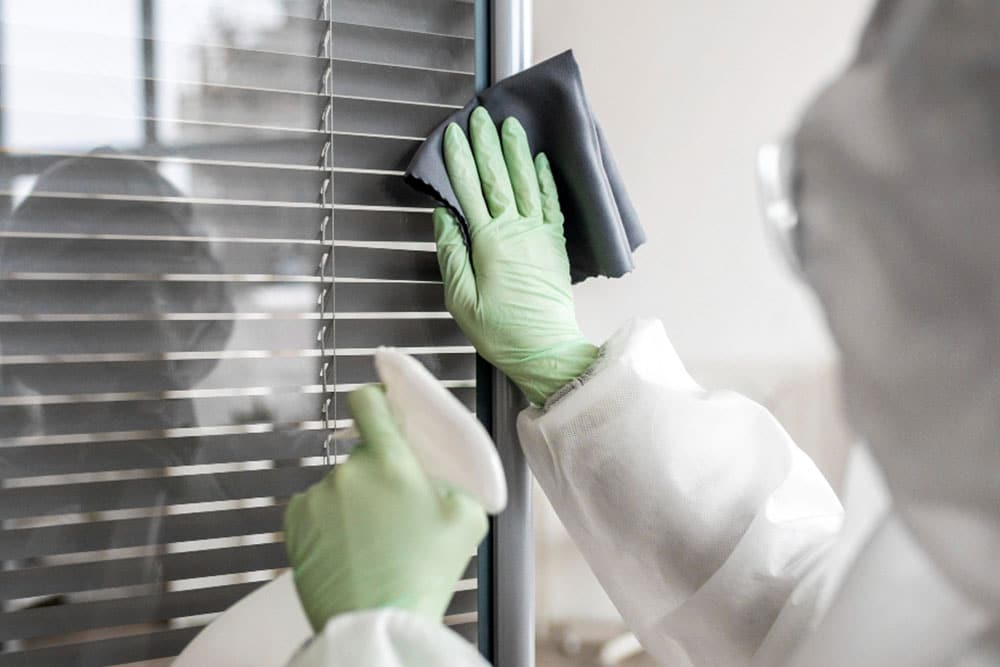
Traditional Vs. Professional High Dusting: Understanding The Differences
Dusting is often seen as a routine task, but when it comes to maintaining larger properties, offices, or commercial spaces, it becomes much more complex. Many property owners wonder about the differences between standard cleaning practices and professional services, particularly in the context of high dusting and low dusting.
Traditional cleaning focuses on surfaces within easy reach, while professional services take a more thorough approach. They target dust, allergens, and debris in areas that are difficult to access and often overlooked.
What Is Traditional Dusting?
Traditional dusting is the method most people are familiar with: wiping accessible surfaces with cloths, feather dusters, or dusting sprays. This type of cleaning typically focuses on furniture, counters, shelves, and low walls – areas that can be reached without specialized tools or equipment. While effective for routine maintenance, traditional dusting often overlooks high ceilings, vents, light fixtures, and exposed beams.
In commercial environments or large residential spaces, these areas can accumulate significant dust over time, which can reduce indoor air quality and contribute to allergies. Traditional dusting is suitable for everyday maintenance but may not address deeper or hidden dust accumulation. Our team delivers professional commercial window cleaning for businesses in Texas and Oklahoma, keeping properties spotless and welcoming for clients and employees.
Understanding Professional High Dusting
Professional high dusting is a specialized service designed for areas that are difficult or unsafe to reach with standard tools. It focuses on ceilings, ductwork, overhead fans, vents, and lighting fixtures where dust naturally accumulates.
Technicians use extension tools, soft brushes, and industrial-grade vacuums to remove dust carefully without disturbing surrounding surfaces. This process improves cleanliness, enhances air quality, and helps prevent buildup that can affect fixtures or create safety concerns.
In commercial environments with high ceilings, open layouts, or atriums, this level of detail is especially important. It addresses areas that traditional cleaning cannot reach effectively.
High Dusting and Low Dusting: Key Differences
The distinction between high dusting and low dusting comes down to reach and technique. Low dusting focuses on accessible surfaces such as furniture, baseboards, and counters. High dusting targets elevated areas like beams, ceilings, vents, and light fixtures.
High dusting requires specialized equipment, including telescopic poles, vacuum systems, and soft-bristle attachments. These tools allow technicians to clean elevated surfaces safely and efficiently. Low dusting, in contrast, typically uses basic tools found in most homes or offices.
Combining high dusting and low dusting creates a complete cleaning approach that maintains every surface from floor to ceiling. This method promotes a healthier environment and helps extend the life of fixtures and finishes.
Tools and Techniques Used in Professional High Dusting
Professional high dusting relies on tools and techniques that go beyond traditional cleaning. Extension poles with microfiber or lambswool attachments help reach elevated surfaces without causing damage. Industrial vacuums equipped with HEPA filters capture fine particles and keep dust from spreading into the air.
Some environments require lift systems or scaffolding for very high ceilings or complex structures. Technicians follow a top-down process, starting at the highest point and working downward. This approach prevents dust from settling on areas that have already been cleaned.
Using the right tools and methods reduces the risk of scratches, breakage, and uneven results that often occur with standard household techniques.
Benefits of Professional Services
Professional high dusting delivers a deeper level of cleanliness than routine methods. Removing dust from elevated areas improves indoor air quality and reduces allergens that can affect occupants.
This process also helps protect HVAC systems, lighting fixtures, and ceiling surfaces from premature wear. In commercial settings, a clean and well-maintained environment creates a stronger impression for customers and improves employee comfort.
Regular professional service can also reduce the intensity of day-to-day maintenance, saving time while keeping spaces consistently clean.
Common Misconceptions About High Dusting
Many property owners assume that dusting once or twice a month is sufficient to maintain all surfaces. In reality, high surfaces, vents, and fixtures often go weeks or months without attention, allowing dust to accumulate undetected. Another misconception is that professional services are only necessary for commercial spaces.
While commercial areas often have larger surfaces, residential properties with high ceilings, skylights, or exposed beams can also benefit greatly from professional high dusting. Understanding the true scope of dust accumulation helps property owners realize the value of integrating professional services with regular low dusting routines to achieve comprehensive cleanliness and healthier indoor air.
How Often Should High Dusting Be Done?
The frequency of high dusting depends on the environment, ceiling height, and occupancy level. Residential properties with standard ceilings may only need professional attention once or twice a year. Commercial properties, particularly those in Texas and Oklahoma with high ceilings, atriums, or heavy foot traffic, often benefit from quarterly or semi-annual cleaning.
Areas near HVAC vents, kitchens, or areas with high dust exposure may require more frequent attention. Pairing professional high dusting with regular low dusting will make sure that dust does not accumulate excessively, reducing the risk of air quality issues and maintaining the appearance and longevity of fixtures and surfaces.
DIY vs. Hiring Professionals
While some property owners attempt DIY high dusting, it carries risks and often delivers inconsistent results. Using ladders or makeshift tools can be dangerous and may damage fixtures, paint, or glass surfaces. Professionals have the training, tools, and experience to safely clean high areas without risking injury or property damage.
Hiring a team also brings thorough coverage, as professionals systematically approach each elevated surface and apply techniques designed to capture fine dust particles. Investing in professional services allows property owners to focus on other maintenance tasks, knowing that high dusting is being handled efficiently, safely, and to a higher standard than DIY attempts typically achieve.
For residents and businesses in Texas and Oklahoma, Fort Worth Window Cleaning offers professional high dusting and low dusting services tailored to both residential and commercial properties. Contact us today at 817-834-8600 to schedule a cleaning and maintain a spotless, safe, and inviting environment.