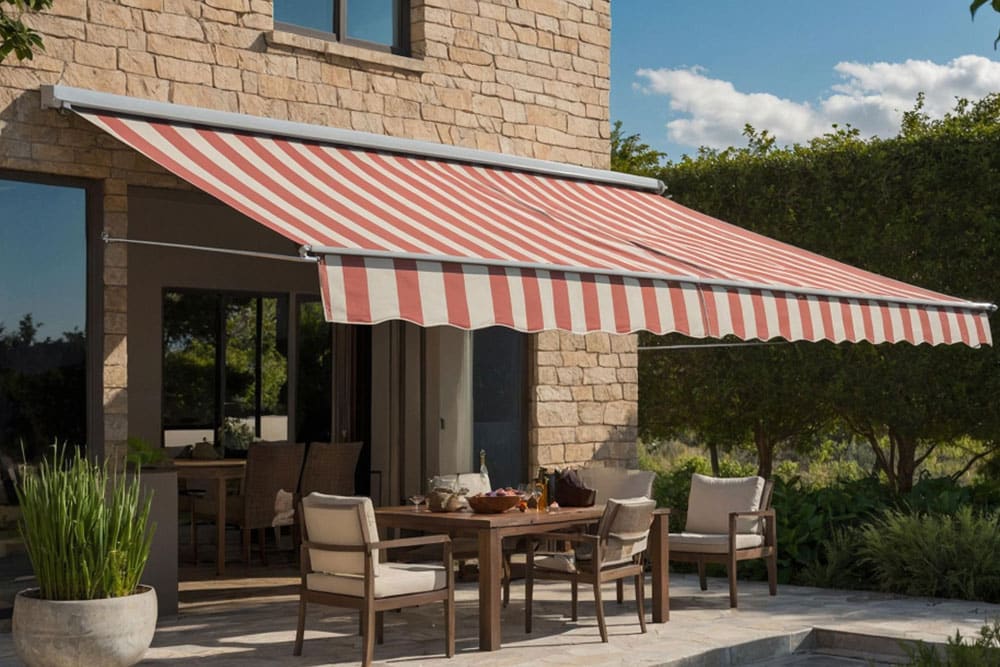
Cleaning Awning With A Power Washer: Is It Possible?
Maintaining the appearance of your property often requires tackling hard-to-clean surfaces, and awnings are no exception. Many property owners wonder if using a power washer is an effective solution for outdoor awnings, especially when removing stubborn dirt, mold, or mildew.
Using an awning cleaning pressure washer can be an efficient method, but it is important to understand the proper techniques, potential risks, and when professional assistance might be a better option. In this article, we explore whether power washing is suitable for awnings, how it works, and what precautions to take.
Can Power Washing Damage Awnings?
Awnings come in materials such as fabric, vinyl, and metal, and each responds differently to high-pressure water. A power washer can remove dirt quickly, but too much pressure or poor technique can tear fabric, remove protective coatings, or dent metal surfaces.
Fabric awnings require a softer spray and lower pressure to prevent damage. Vinyl and metal can handle slightly higher pressure, though caution is still necessary. Testing a small, hidden section before cleaning the entire surface helps reduce risk.
Understanding the correct pressure and nozzle type helps protect your investment and ensures that the cleaning is effective without compromising the awning’s longevity. Our team specializes in reliable commercial window cleaning for businesses across Texas and Oklahoma.
Best Practices for Using a Pressure Washer on Awnings
Preparation is an important first step when working with an awning cleaning pressure washer. Remove loose debris such as leaves or twigs to avoid scratching the surface. Keep the spray at an angle instead of pointing it directly at the awning to reduce the force hitting one spot.
A wide fan spray pattern helps distribute pressure more evenly. Maintain a safe distance between the nozzle and the awning to prevent concentrated impact. Pairing the washer with a mild cleaning solution designed for awnings can improve results, especially when dealing with stains or mildew.
These steps help maintain a balance between effective cleaning and protecting the material from unnecessary wear.
Alternatives to DIY Power Washing
Power washing can be useful, but it is not always the right choice for every awning. Some materials or older installations require a more careful approach. Hand cleaning with a soft brush and a gentle, eco-friendly solution is often a safer option for delicate fabrics.
Soft washing systems use low-pressure water combined with specialized detergents to remove buildup while preserving the material. Professional crews understand how to adjust methods based on the awning’s condition, which helps prevent tearing or water damage. This is especially important for commercial buildings or multi-story properties where access is more complex.
Frequency and Timing Considerations
Cleaning frequency depends on how much exposure the awning has to environmental elements. Residential awnings in Texas usually need cleaning once a year, while commercial awnings, including those in Oklahoma, may require more frequent attention to stay presentable.
Mild weather conditions are ideal for cleaning. Moderate temperatures help cleaning solutions work properly and reduce stress on the material. Avoid cleaning during peak sunlight hours, as rapid drying can leave streaks or residue. Regular upkeep keeps awnings looking fresh and reduces the effort needed during each cleaning session.
Safety Tips and Precautions
Using a pressure washer on an awning involves potential hazards that should not be overlooked. High-pressure water can cause injury or slip hazards if not handled carefully. Make sure to use stable footing, wear protective gloves and eyewear, and keep electrical connections dry and safe.
When cleaning multi-story or hard-to-reach awnings, consider scaffolding or lifts rather than standing on unstable surfaces. Safety measures not only protect you but also help prevent accidental damage to the awning and surrounding property, making the cleaning process more efficient and secure.
Signs You Need Professional Assistance
Sometimes, the best way to handle awning cleaning is to bring in professionals with experience in using pressure washers safely. Signs that you may need expert help include excessive staining, mold or mildew that has penetrated the fabric, or damage-prone materials that could tear under high pressure.
Professional teams also have the knowledge to adjust pressure, cleaning solutions, and techniques based on awning material, size, and height. Using an experienced service reduces the risk of mistakes, extends the life of your awning, and creates a polished finish that DIY methods may not achieve.
Keeping your awnings clean enhances both appearance and durability, and while using a power washer can be effective, it requires proper technique, careful attention to material, and safety precautions.
For residents and businesses in Texas and Oklahoma seeking reliable, professional results, Fort Worth Window Cleaning offers expert service for both residential and commercial awnings.
Contact us today at 817-834-8600 to schedule a cleaning and get a clear estimate for your property.