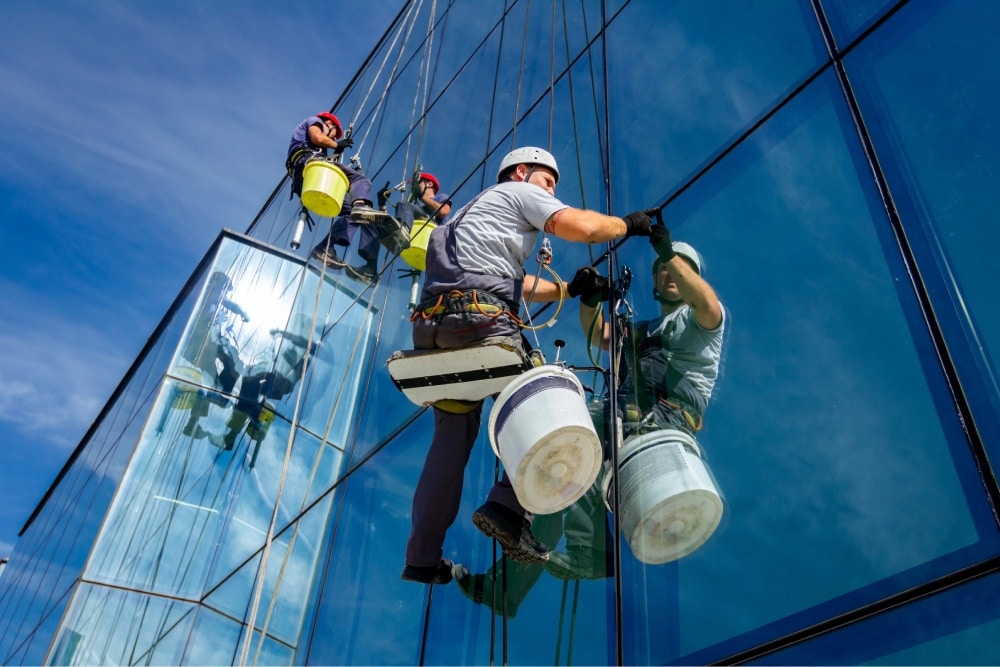
How Often Do Skyscraper Windows Get Cleaned?
How often do skyscraper windows get cleaned? Understanding the frequency helps building owners maintain a safe and attractive exterior. Many factors influence cleaning schedules, and each high-rise has unique needs based on height, usage, and environmental exposure.
Property teams also consider questions such as ‘how much does high rise window cleaning cost?’ when planning yearly maintenance budgets.
How Often Do Skyscraper Windows Get Cleaned?
Most people are curious about this because these buildings face daily exposure to dust and pollution. Many towers in busy cities follow routine schedules to maintain clear glass surfaces for tenants and visitors. Decisions also depend on how much does skyscraper window cleaning cost, which can vary based on height and structural complexity.
Atmospheric Buildup Around Tall Structures
High-rise buildings collect dirt at different rates based on surrounding conditions. Towers located near highways or dense commercial zones often accumulate grime faster than structures in quieter regions. This buildup can impact visibility and appearance, prompting owners to schedule more frequent services to keep the glass looking clean and presentable.
Wind patterns also influence the speed of residue accumulation. Strong gusts can lift particles from nearby roads and push them toward tower exteriors. High-rise maintenance teams often study these patterns to determine effective cleaning intervals that match environmental pressure on the building.
The Role of Urban Density in Cleaning Frequency
Cities with heavy foot traffic produce constant airborne contaminants. Vehicles, construction sites, and crowded sidewalks contribute to layers of dust that settle on skyscraper windows throughout the week. Buildings located in these zones often need more frequent care to maintain a polished and professional look.
Urban growth also increases the number of high-rises surrounding a property. Neighboring construction generates additional debris that may cling to glass surfaces. Maintenance plans in these areas balance appearance with long-term protection against residue buildup.
Differences Between Lower and Upper Floors
Lower floors usually gather grime faster because they sit closer to sources of dust and exhaust. Pedestrians, nearby landscaping, and passing vehicles all contribute to debris on these levels. As a result, ground-level and mid-level windows often require more frequent cleaning than upper floors.
Higher floors face different challenges based on weather patterns and wind exposure. Although they may accumulate less direct pollution, they often collect fine particles that cling to the exterior glass. These conditions can influence cleaning schedules as teams evaluate how quickly the upper sections lose clarity.
Importance of Tenant Visibility and Appearance
Clear windows are important for tenant satisfaction. Businesses and residents appreciate bright interiors with unobstructed views that support comfort and productivity. When windows become cloudy or streaked, the building’s visual appeal may decline, motivating owners to schedule cleaning more often.
Attractive exteriors also help preserve a property’s professional image. Companies aiming to impress visitors and clients focus on maintaining a spotless façade. Regular cleaning demonstrates attention to detail and strengthens the building’s reputation among those who visit or work there.
Building Materials and Glass Types
Some buildings use specialty glass that shows dirt more easily. Highly reflective surfaces may highlight smudges or streaks faster than standard panels. Maintenance teams examine glass characteristics to create appropriate cleaning plans for consistent clarity throughout the year.
Surface coatings can also influence cleaning needs. While protective films help reduce long-term damage, residue may still appear over time. Professional cleaners assess these coatings before performing work to avoid harming the surface while achieving a clear finish.
Frequency Guidelines for Major Metropolitan Areas
Large metropolitan regions often require frequent cleaning due to intense pollution levels. Busy districts with constant traffic and commercial activity create airborne contaminants that cling to tall structures. Skyscrapers in these areas may follow bi-monthly or quarterly schedules depending on maintenance standards and tenant expectations.
Smaller cities or suburban commercial centers may adopt slower cleaning rotations. Lower activity levels reduce the rate at which debris settles on glass. Even so, professional cleaning remains important to keep the structure visually appealing and to prevent long-term staining on the exterior.
The Impact of Exterior Architecture
Complex architectural designs may influence how often cleaning is needed. Some façades have deeper recesses or protruding features that trap dust more easily. These structures often require specialized planning to address all surfaces during each cleaning cycle.
Smooth or uniform surfaces may stay cleaner for longer periods. However, even minimalistic designs face a gradual buildup over time. Maintenance schedules reflect the balance between visual appearance and the difficulty of reaching specific areas on the building.
High-Rise Safety Standards and Scheduling
High-rise window cleaning requires close attention to OSHA safety standards. Professional teams rely on approved harness systems, lift equipment, and fall-prevention techniques to protect workers during each service. These safety protocols influence cleaning frequency because some buildings require more time and planning before each visit.
Property managers coordinate cleaning schedules around safe access points. Factors such as anchor placements, roof layout, and structural design affect how a team moves across the façade. Maintaining compliance helps preserve both worker safety and the quality of the finished work.
Routine Maintenance for Long-Term Preservation
Regular cleaning prevents long-term damage that may result from minerals or pollutants bonding with the glass. When debris remains for extended periods, stains become harder to remove and may affect window clarity. Companies maintain planned schedules to reduce the risk of permanent marks on the surface.
Routine maintenance also supports the building’s overall lifespan. Clean windows allow more natural light into interior spaces, improving comfort and reducing the need for artificial lighting. Long-term preservation plans consider both aesthetic value and structural health when determining cleaning intervals.
Cost Considerations for Property Managers
Many building owners plan cleaning schedules around their operational budgets, often factoring in the costs of high-rise window cleaning when preparing annual expenses. Taller buildings with complex designs may need specialized equipment, increasing the total cost per visit.
Regional pricing also influences cleaning frequency. Services in larger metropolitan areas may cost more due to labor rates and demand. Managers evaluate these factors carefully to maintain appearance without exceeding financial limits.
Why Consistent Cleaning Enhances Property Value
Clean windows create a strong first impression for both tenants and visitors. A well-maintained exterior reflects positively on the building’s management and reinforces confidence in the property, helping to encourage long-term occupancy.
Buildings with clear, well-kept façades are often more appealing to businesses seeking a professional and visually inviting environment.
Consistent maintenance also supports long-term property value. When windows are routinely cleaned and kept in good condition, the building retains its overall attractiveness for future tenants.
Neglecting regular care can lead to deterioration and costly restoration, making routine window maintenance a practical and cost-effective strategy for preserving value.
Supporting Professional Care for Tall Buildings
Professional cleaning teams understand the complexities of high-rise structures. Their experience allows them to evaluate environmental factors, architectural features, and tenant expectations when planning cleaning intervals. Many property managers rely on this expertise to maintain a polished appearance throughout the year.
Experienced companies also focus on safety and detailed workmanship. Their techniques support long-term clarity and structural care for glass surfaces. Reliable teams help building owners achieve a consistent and welcoming exterior across all levels of the property.
Partnering with Experts for High-Rise Clarity
Skyscraper windows require consistent care to stay clear, bright, and visually appealing for tenants and visitors. At Fort Worth Window Cleaning, Inc., our team delivers trusted commercial window cleaning, high-rise solutions, pressure washing, and building maintenance services for properties across Texas and Oklahoma.
We use eco-friendly cleaning products, de-ionized water, OSHA-compliant practices, and over 37 years of experience to support safe and dependable results.
Contact us today at 817-834-8600 for a custom plan that fits your building’s needs.